The Warning Signs Your Drains Give Before They Stop Completely
Long before a drain stops completely, it usually tries to tell you first.
September 17, 2026 · 3 min read
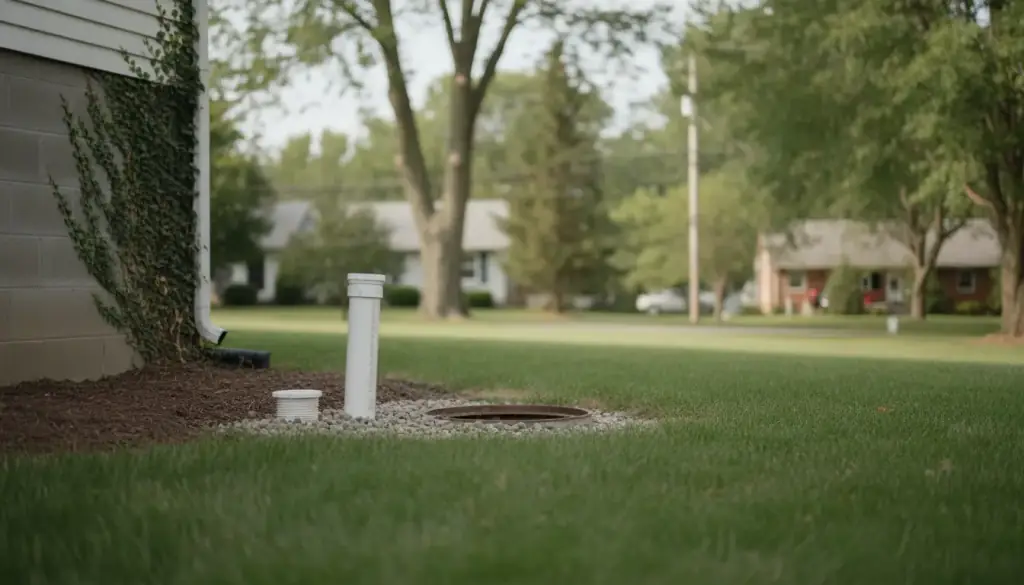
A drain hardly ever goes from fine to blocked in one step. Most of the time it spends days or weeks getting worse first, and the house tells you about it in small, easy to ignore ways: water that pools around your feet for an extra second in the shower, a sink that used to drain in five seconds and now takes fifteen, a toilet that needs two flushes when it never used to.
Catching those signals early is the difference between a drain cleaning and a much bigger repair. Here's what to actually pay attention to in a Kitsap County home, where older pipe, clay side sewers, and a lot of tree roots make slow drains more common than most homeowners realize.
The slow drain that never quite closes back up
A drain that's slow once, after a lot of hair or grease goes down it, usually clears on its own or with a plunger. A drain that stays slow, or gets a little slower every week, is different. That's usually a partial blockage building up inside the pipe itself rather than something sitting right at the opening. It won't fix itself, and it tends to worsen gradually enough that people put off calling until the drain closes all the way.
If it's one fixture, the blockage is probably local to that line. If two or three fixtures on the same floor are all draining slow at once, or a bathtub gurgles when the toilet flushes, that usually points further down the system, closer to the main line than to any one sink.
Gurgling, bubbling, and drains that talk to each other
A toilet that gurgles when the washing machine drains, or a tub that bubbles when you flush, means air is getting trapped and pushed back up through the system because something downstream is restricting flow. Plumbing is designed to move air as well as water, and when a blockage interferes with that airflow, it comes out as noise in the fixture with the least resistance.
This is one of the more useful signs a home gives you, because it points at a shared line rather than one fixture, and it usually shows up well before anything actually backs up.
A smell that comes and goes with the weather
A sewer smell that's worse on damp days, or right after rain, often means a vent isn't sealed the way it should be, or a trap somewhere has dried out and stopped doing its job. In a wet climate like Kitsap County's, ground saturation changes how a marginal line behaves week to week, so a smell that seems random is usually tracking the weather more than it looks like it is.
It's worth noticing whether the smell shows up near one fixture or seems to move around the house. A smell tied to one spot is a much smaller job than one that shows up in several rooms.
- A drain that's noticeably slower than it was a month ago
- Gurgling from a different fixture when you run water or flush
- A sewer smell that shows up after rain and fades when it's dry
- Water backing up into a lower fixture, like a basement floor drain or a tub, when the washing machine runs
- Grass that's greener or wetter over one stretch of yard than the rest
What a camera actually shows
Once a drain is genuinely slow rather than just occasionally sluggish, the most useful next step is usually a camera run through the line rather than guessing. It shows exactly where the restriction sits, what it's made of, and whether it's a spot clean or a longer stretch of pipe that needs attention, which is the difference between a straightforward jetting job and something bigger.
Budget Rooter runs camera and locating equipment on drain and sewer lines for this reason. Seeing the actual condition of the pipe beats guessing at it, and it means the work that follows is aimed at the real problem instead of the most likely one.
When it's worth calling
A single slow drain after a busy weekend is usually fine to watch. A drain that's been getting worse for more than a week, gurgling that's spread to a second fixture, or any backup into a tub or floor drain is worth a call rather than another week of waiting. Budget Rooter offers free estimates and same day service in most cases, with a technician on call after hours for anything that can't wait.
Kitsap County: (360) 362-8350. Bainbridge Island: (206) 792-5994. Pierce County: (253) 348-2631.
Budget Rooter Plumbing Service, (360) 362-8350
Call (360) 362-8350More articles
Why We Find the Line Before We Dig It Up
Digging first and hoping is how a simple repair turns into three holes in the yard.
Getting Your Storm and Gutter Drains Ready for a Kitsap Winter
A drain that's managed fine all summer can get overwhelmed the first heavy week of fall rain.