Why We Find the Line Before We Dig It Up
Digging first and hoping is how a simple repair turns into three holes in the yard.
September 17, 2026 · 3 min read
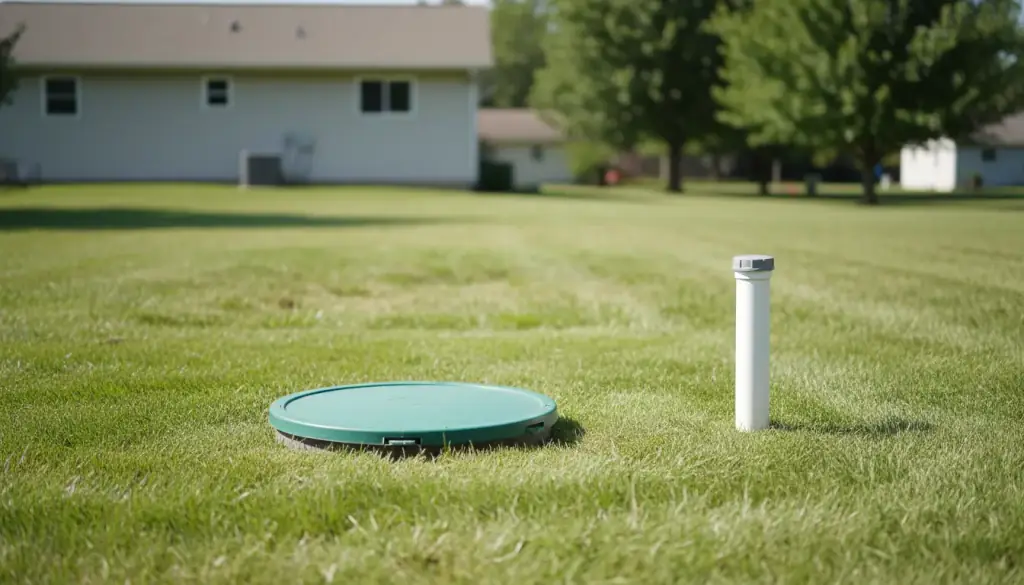
The instinct with a sewer or septic problem is to start digging where you think the trouble is. Sometimes that's right. More often, the actual break, root intrusion, or bellied section sits a few feet from where anyone would guess, and a dig based on a guess turns into two or three holes before it turns into one repair.
Camera and locating equipment exists to skip that guessing. Run a camera through the line first, and you're looking at the actual pipe: where it changes direction, where roots have worked their way in, where a joint has separated, exactly how many feet from the cleanout the problem sits. Then the excavation opens one hole, over the actual spot, and closes it back up.
What a camera inspection actually finds
A sewer camera is a small waterproof camera on a flexible cable, fed into the line through a cleanout or another access point, with a sonde at the head that a locator above ground can track. It shows cracks, offset joints, bellies where the pipe has sagged and collects standing water, and root intrusion, which is one of the most common problems in older Kitsap County neighborhoods where clay and cast iron side sewers meet mature trees.
It also shows what isn't the problem, which matters just as much. A camera run that comes back clean past a suspected trouble spot saves a dig that would have found nothing.
None of this requires guesswork on the homeowner's end either. A camera run is quick to schedule, and it gives a plain answer instead of a range of maybes, which matters when the alternative is trenching across a section of yard on a hunch.
Roots, bellies, and why they don't show up the same way twice
Tree roots find a side sewer through the smallest gap at a joint, and once they're in, they grow toward the moisture and nutrients inside the pipe rather than away from it. A line can run clear for months and then slow suddenly once a root mass finally chokes enough of the diameter. A belly, where a section of pipe has settled and created a low spot, behaves differently again: it holds water and waste after everything upstream has cleared, which shows up as a recurring slow drain that a single cleaning never quite fixes for good.
Neither one is visible from the surface. The yard looks the same whether the pipe six feet down is fine or failing, which is exactly why locating equipment matters more than intuition.
Cast iron and clay were both common in side sewers built decades ago, and both degrade in ways that don't announce themselves at the surface. A joint that's held for thirty years can separate a quarter inch, just enough for roots to find their way in, without anything visibly changing above ground.
Locating equipment and why it changes where you dig
The camera shows what's wrong inside the pipe. The locator on the surface tracks the sonde in the camera head and marks, within a foot or two, exactly where that problem sits underground. Put the two together and a repair crew can open a single, correctly placed hole instead of trenching along the suspected run and hoping to hit it.
That's a meaningfully different job for the yard, the driveway, or whatever's sitting above the line, and it's usually a faster one too, since the digging itself is the slow part of any repair.
It also protects everything else buried nearby. A crew that knows exactly where the sewer line sits is a crew that isn't guessing around a gas line, a water main, or buried electrical while they dig, which matters as much for safety as it does for the yard.
- Root intrusion at a joint or connection
- A bellied or settled section holding standing water
- A cracked or offset pipe
- A partial blockage from grease, scale, or debris buildup
- Confirmation that a suspected spot is actually clear
How this fits the rest of the job
Locating the problem is the first of the three steps Budget Rooter walks through on every call: figure out what's actually wrong, then lay out the options and pricing so you're deciding with real information.
The camera step is what makes that second step honest. An estimate based on an actual look at the pipe holds up a lot better than one based on guessing from where the symptom happens to show up on the surface, and it's the reason the work that follows usually gets it right the first time.
Budget Rooter Plumbing Service, (360) 362-8350
Call (360) 362-8350More articles
The Warning Signs Your Drains Give Before They Stop Completely
Long before a drain stops completely, it usually tries to tell you first.
Getting Your Storm and Gutter Drains Ready for a Kitsap Winter
A drain that's managed fine all summer can get overwhelmed the first heavy week of fall rain.